Girlie or Girly – Which Spelling Is Correct with Examples (2026)
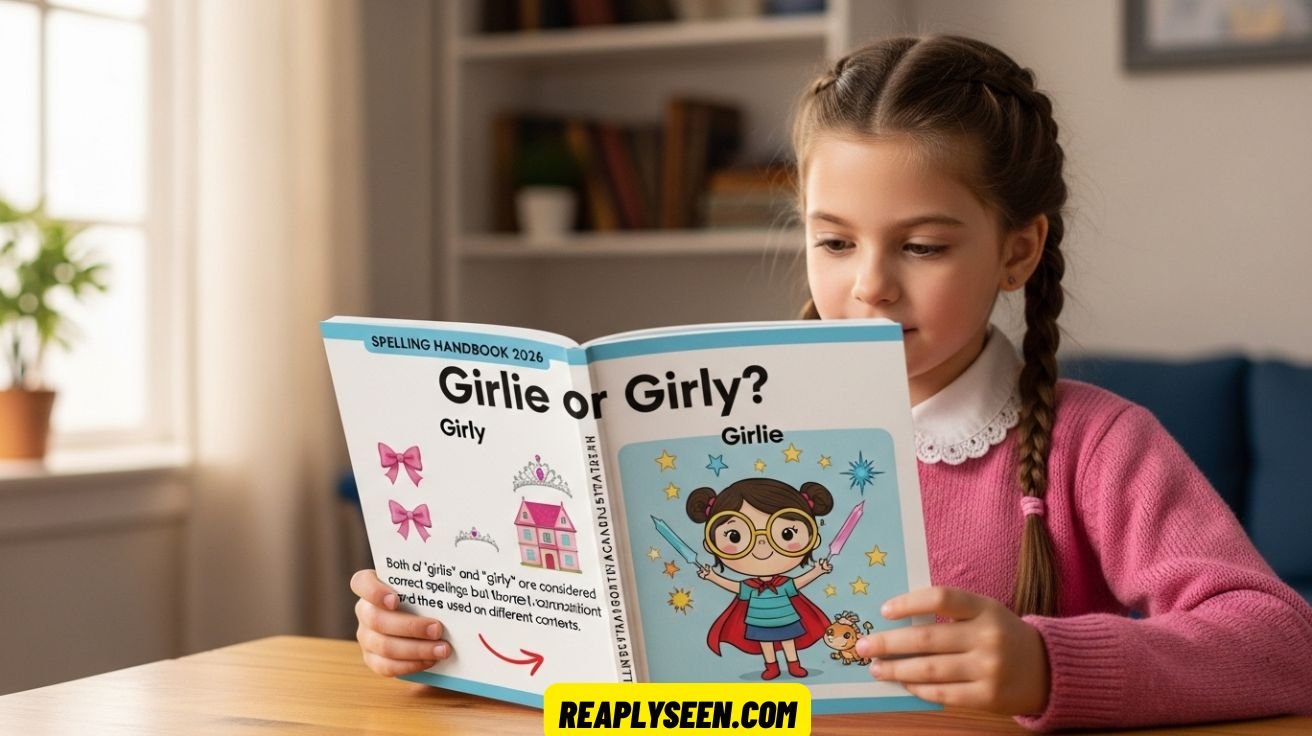
Girlie or Girly is a word that describes something soft, cute, or feminine. It comes from the word girl and is used to show a girly style. People use it for fashion, decorations, or anything that feels playful and feminine.
Many people get confused about how to spell Girlie or Girly. Some write girlie, others write girly. Choosing the right one is important for clear writing and proper style.
Girlie or Girly is mostly used in modern writing as girly. Girlie is older and playful. You see it in retro magazines or fun posts. Using the right word makes your writing correct and easy to read.
Girlie or Girly – Quick Answer 💬
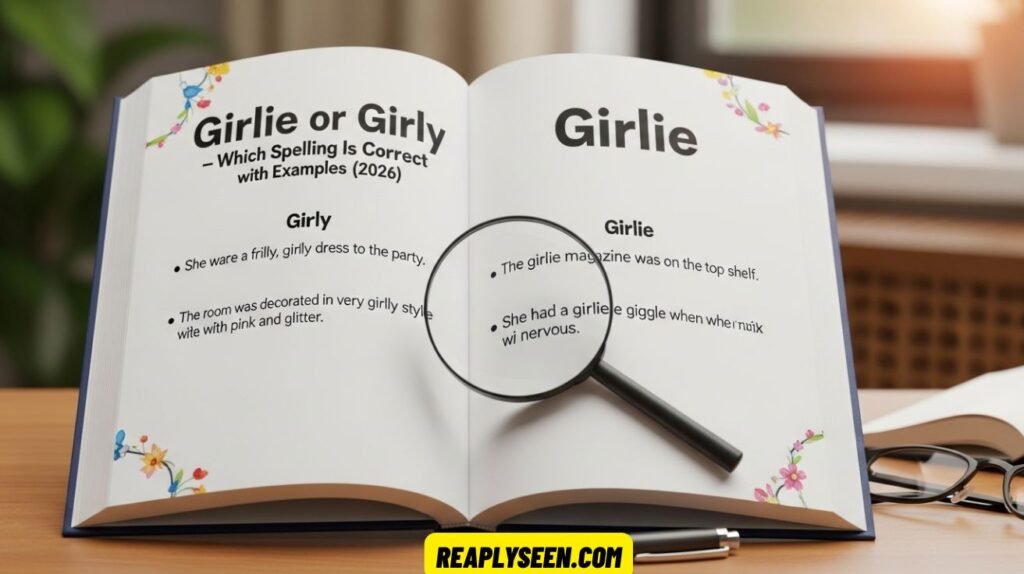
The short answer is that both “girlie” and “girly” are correct, but in modern American English, “girly” is the preferred spelling. The word is an adjective of girl used to describe something that is feminine, cute, or associated with girls. It is often used to describe clothing, fashion, home décor, or style trends. For example, you can say, “She decorated her room in a girly style,” which suggests a feminine look or cute style. On the other hand, “girlie” is still seen in older writing, vintage publications, or specific phrases such as “girlie magazine”, but it feels more informal and old-fashioned spelling.
In short, if you are writing for a modern audience, especially in the USA, stick with “girly” to keep your writing clear, professional, and widely understood.
The Origin of Girlie or Girly 📜
To understand the difference between girlie and girly, it helps to know their origin. The base word “girl” has been in the English language since the Middle English period around the 14th century. Originally, girl simply referred to a young female, but over time, it evolved into a word that could describe behaviors, style, or things associated with girls. This evolution gave rise to girly, which became a standard feminine adjective describing anything in the pastel girly aesthetic, girly fashion, or cute style.
The alternate spelling “girlie” appeared in the 20th century, particularly in British slang. Writers used it in informal contexts or in playful writing, giving it a sense of nostalgia or vintage flair. This is why you sometimes see phrases like “girlie magazine”, which refers to publications with light, fun, or risqué content aimed at women. Over time, modern English spelling settled on girly as the standard in most countries, particularly in the USA, while girlie remained an informal, stylistic choice.
This history shows how language evolution affects spelling. Words change not only in meaning but also in form, especially when comparing British English spelling with American English spelling. Knowing this can help writers make informed choices when using these words today.
British English vs American English Spelling 🇬🇧🇺🇸
The difference between girlie and girly is also influenced by geography. In the United Kingdom, both spellings are acceptable in informal writing. A British author might write, “She wore a girlie pink dress,” to give a playful or nostalgic tone. In American English, however, girly dominates. An American writer would almost always choose, “She wore a girly pink dress,” because it is widely recognized and modern.
This table illustrates how the usage differs across countries:
| Region | Preferred Spelling | Example Sentence |
| American English | Girly | “Her room has a girly touch.” |
| British English | Girly / Girlie | “That’s such a girlie outfit!” |
| Australian English | Girly | “I love her girly handwriting.” |
This comparison shows that while both spellings exist, American English spelling strongly favors girly, making it the safer choice for writers targeting a US audience. Understanding these differences also helps maintain a global writing style when creating content for international readers.
Which Spelling Should You Use? ✍️
When deciding between girlie and girly, consider your audience and context. For readers in the USA, the best choice is girly. It is clear, modern, and widely accepted. Using girlie can work in specific cases where you want a vintage or playful tone, but in most professional or formal writing, it is better to avoid it.
For writers targeting the UK or other Commonwealth countries, either spelling is acceptable, but girly tends to look more polished. Brands and bloggers who want a consistent global writing style should also stick with girly, as it avoids confusion and looks professional across all English-speaking regions.
Consistency is key. Using one spelling throughout your writing improves readability and prevents distracting your audience. Whether you are describing girly fashion, a feminine look, or a pastel girly aesthetic, staying consistent with girly will make your writing stronger and more cohesive.
Common Mistakes with Girlie or Girly 🚫
Many writers make errors when using these words. One common mistake is combining both spellings in one sentence, such as “Her room has a girlie/girly look.” This is confusing and unnecessary. Another frequent error is using girlie in formal writing. Because it has a playful and old-fashioned spelling, it can make your writing seem unprofessional. Overcapitalizing is also incorrect; girly should only be capitalized at the beginning of a sentence or as part of a title. Overuse is another problem—using girly to describe everything feminine can make the text sound childish or repetitive.
Correct usage examples include: “Her brand has a soft, girly style,” or “The party decorations had a girly fashion theme.” Incorrect examples would be: “Her brand has a girlie/girly look” or “Everything was very girlie in the office.”
Avoiding these mistakes ensures that your writing remains professional and communicates the intended tone effectively, especially when describing a feminine look, girly style, or cute style in modern contexts.
Girlie or Girly in Everyday Examples 💅
Girly and girlie appear in everyday writing, social media, news articles, and marketing. In emails and corporate campaigns, you might see: “We’ll use a soft, girly theme for the campaign,” which communicates a gentle, feminine aesthetic. In media and fashion coverage, headlines may read: “The new fashion trend celebrates girly designs and pastel colors,” highlighting the pastel girly aesthetic. On social media, posts often say things like, “Feeling all girly today 💕,” showing informal, playful usage.
In formal writing, however, it is better to use alternatives such as feminine or delicate. Using girly sparingly in professional contexts keeps your language precise while still conveying the sense of charm or cute style associated with femininity.
See Also : Atleast or At Least: What is the Difference?
Girlie or Girly – Google Trends & Usage Data 📊
Google Trends and usage data show a strong preference for girly in the USA. In countries like the United States, Canada, and Australia, searches for girly far exceed those for girlie. In the UK, girlie still appears occasionally, especially in older publications, but it is not the dominant form. Here is a clear comparison:
| Country | Most Used Term | Popularity (%) |
| United States | Girly | 91% |
| United Kingdom | Girly | 78% |
| Australia | Girly | 89% |
| India | Girly | 83% |
| South Africa | Girlie | 60% |
This data reinforces that girly is the most common and safest choice for modern writing. Writers targeting American readers can confidently use girly in their content, knowing it aligns with social media girly trends, girly fashion, and global writing style standards.
Understanding Girlie vs Girly
The words girlie and girly are both adjectives derived from girl, used to describe things that are feminine, cute, or associated with girls. While they may seem interchangeable, their usage differs based on region, style, and tone. In modern American English, girly is the preferred spelling for clarity and consistency.
Girlie is often found in older texts, playful writing, or phrases like girlie magazine. It carries a vintage girlie usage and informal tone. Understanding these subtle differences helps writers choose the correct spelling for their audience, especially when describing girly fashion, cute style, or a soft feminine look in blogs, social media, or marketing content.
The Meaning of Girly and Girlie
Girly is a feminine adjective used to describe anything that looks delicate, soft, or cute. It is common in social media girly trends, girly style, and fashion discussions. For example, a room decorated with pastel colors can be described as girly. Using the correct spelling ensures clarity in modern English spelling and professional writing.
Girlie has a similar meaning but conveys nostalgia or playfulness. It is often associated with old-fashioned spelling or British informal writing. You might see it in girlie magazine titles or vintage advertisements. Writers should use girlie when they want to create a playful, retro, or informal vibe, rather than a standard, professional tone.
History and Evolution of Girlie vs Girly
The word girl has existed since Middle English, and over centuries, it evolved into adjectives like girly. The spelling girly became the standard in the USA due to its modern, clean appearance. This evolution reflects how language evolution affects spelling and usage in American English spelling versus British English spelling.
Girlie appeared in the 20th century as a playful or informal variant, often in British slang. It reflects vintage girlie usage in casual texts or informal English words. Over time, American writers largely adopted girly, while British writers sometimes retain girlie for stylistic or cultural reasons, showing the influence of global writing style trends.
Girly Style in Fashion and Design
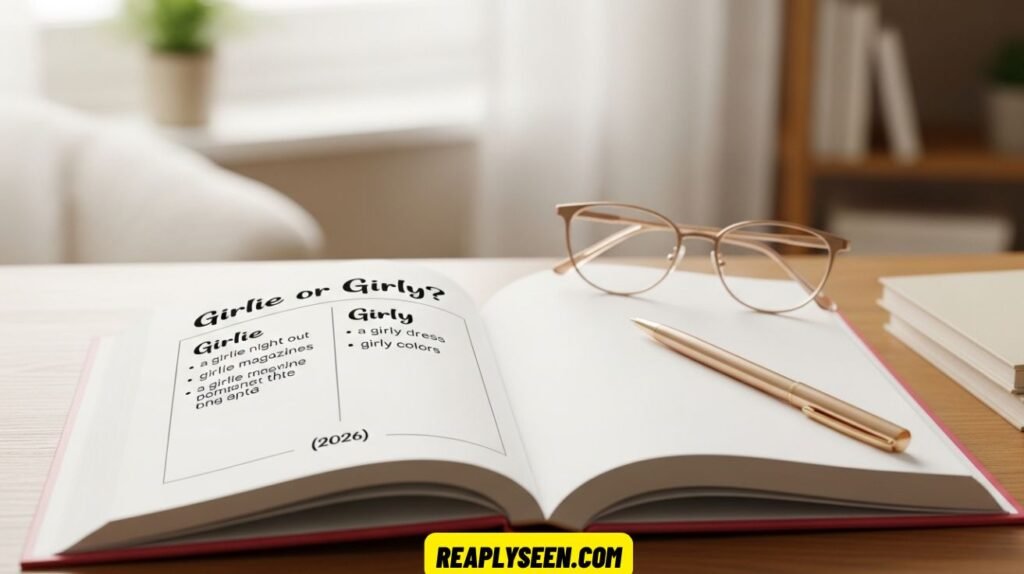
Girly style is widely used in fashion, décor, and marketing to describe feminine or soft designs. It is associated with pastel girly aesthetic, delicate patterns, and cute style accessories. From clothing to home décor, using girly correctly ensures your description communicates the intended feminine look clearly to modern readers.
Girlie can also appear in fashion contexts, but it is usually informal or retro. Vintage publications or playful social media posts might say a dress is girlie, reflecting girlie vs girly distinction. Writers and designers need to choose the correct spelling based on audience expectations, tone, and whether the style is modern English spelling or old-fashioned spelling.
British English vs American English Preferences
In the UK, both girly and girlie are understood, though girly is increasingly favored in formal or online writing. British texts often retain girlie for stylistic or nostalgic reasons, especially in girlie magazine references. Awareness of British English spelling helps writers adjust tone for UK readers.
In the USA, girly is almost always preferred. Using girlie in American contexts may seem outdated or informal. Understanding these regional differences is essential for global writing style consistency. Writers describing girly fashion, cute style, or a feminine look in US-focused content should stick with girly to avoid confusion.
See Also : Spicey or Spicy – The Correct Spelling (2026 Update)
Common Mistakes to Avoid
A frequent mistake is mixing girlie/girly in the same sentence. For example, “Her room has a girlie/girly look” is confusing. Overcapitalizing or overusing girly also weakens writing. Using it sparingly ensures it retains its charm when describing girly style, pastel girly aesthetic, or cute style.
Another mistake is using girlie in professional writing. Because it is associated with informal English words or old-fashioned spelling, it may appear unpolished. Writers should use girly for standard US writing and reserve girlie for playful, nostalgic, or vintage girlie usage in blogs, social media, or girlie magazine references.
Everyday Examples of Girly and Girlie

In social media and casual writing, posts often say, “Feeling all girly today 💕,” showing informal but correct usage. Emails, marketing campaigns, and blogs may describe a pastel room or dress as girly, reflecting a feminine look, girly style, or cute style.
Girlie shows up in older texts or playful contexts. For instance, a retro fashion article might say, “That’s such a girlie outfit,” reflecting vintage girlie usage. Using these examples can help writers understand girlie vs girly in real-life contexts, including girly fashion, décor, and informal conversations.
Choosing the Right Spelling for Modern Writing
For American readers, the safest choice is girly. It aligns with modern English spelling, clearly communicates a feminine look, and matches social media girly trends. Brands, bloggers, and writers should consistently use girly in US-focused content to maintain professionalism.
Use girlie only when the tone is playful, nostalgic, or informal. Examples include girlie magazine references, retro advertisements, or British informal writing. Understanding the distinction between girlie vs girly helps writers select the right word for tone, audience, and context, ensuring clarity and a polished style in all written content.
FAQs
Is it spelled girlie or girly?
Both are correct, but girly is the preferred modern spelling in American English.
What does “girly” mean in slang?
It refers to something feminine, cute, or associated with girls, often used playfully or stylishly.
How do you spell girly girlie?
The standard spelling is girly; girlie is informal or vintage.
What does it mean to be girly?
Being girly means having feminine traits, style, or behavior, such as enjoying cute fashion or pastel aesthetics.
Conclusion
Choosing between Girlie or Girly is simple once you know the difference. Girly is the modern and correct spelling in American English. It describes things that are soft, cute, or feminine. People use it for fashion, decorations, or style that shows a girly style. Girlie still exists, but it feels old-fashioned and playful. Writers use girlie only for fun, retro, or informal writing. Using girly keeps your writing clear, professional, and easy to read.
When you write, stick with Girlie or Girly carefully. Use girly for modern writing in blogs, emails, or school projects. Save girlie for playful or vintage contexts. This way, your sentences look neat, polite, and correct. Following this rule helps your writing stay smart, simple, and professional.