Emasculate vs Demasculate: Understanding the Key Differences
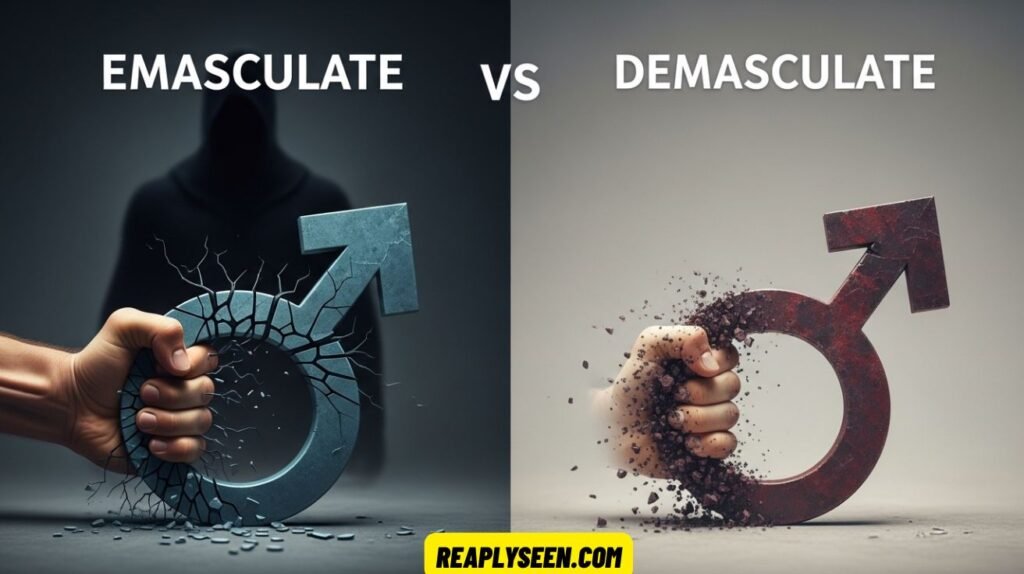
Emasculate vs Demasculate are two words that seem similar but have different meanings. Emasculate means to take away a man’s masculinity, confidence, or strength. Demasculate is a rare word and not commonly used in English.
Many people get confused between these words. Using the wrong word can change the meaning. Knowing the right word helps you speak and write clearly.
Emasculate vs Demasculate shows how words affect male identity and confidence. Emasculate is standard and correct. Demasculate is unusual and mostly avoided. Knowing the difference makes communication better.
Quick Summary:
To put it simply, emasculate is the widely recognized term in English and is used to describe the act of depriving someone—often a man—of masculinity, strength, confidence, or authority. It can refer to both literal and figurative scenarios, though in everyday conversation, it is mostly figurative. For instance, harsh criticism at work can weaken authority or erode confidence, leaving someone feeling emasculated.
On the other hand, demasculate is a rare and non-standard English word. It appears occasionally in informal contexts or online texts but is not widely accepted in professional or academic writing. While some may try to use it as a synonym for emasculate, its usage can appear awkward or unclear.
Understanding these differences helps avoid identity loss and reduces the emotional impact of miscommunication, especially when addressing topics like gender roles, toxic masculinity, and social perceptions of male traits.
Word Origins & Etymology
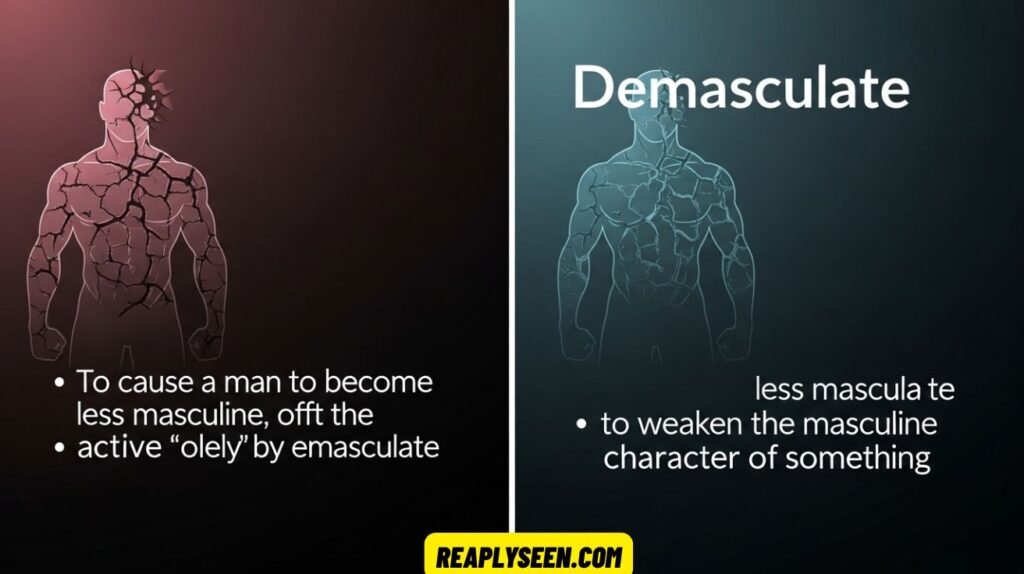
The roots of words often reveal why they are used in certain ways. Emasculate comes from the Latin word masculus, meaning “male” or “masculine,” combined with the prefix e- from Latin ex-, meaning “out of” or “remove.” Originally, this word referred to the literal act of castration, the removal of male reproductive organs, but over time it evolved to describe the figurative removal of strength, confidence, or male traits.
Demasculate, by contrast, is constructed using the prefix de- and the same root masculate. Despite its logical construction, it never gained wide usage. Most dictionaries either ignore it or mark it as non-standard. In English, emasculate had already established both the literal and figurative meanings, making demasculate unnecessary. This is why understanding word etymology helps explain why one word thrives while the other remains rare.
Emasculate
Emasculate is a term with both literal and figurative meanings. Literally, it can refer to castration, though this usage is rare in modern English outside medical contexts. Figuratively, it is used to describe any situation that causes a man to feel a loss of confidence, a weakening of authority, or a reduction in perceived masculinity. For example, a public humiliation can leave someone feeling completely emasculated, affecting both their self-image and social standing.
The word carries a heavy emotional impact because it ties into cultural expectations and norms about male identity. Men who experience figurative emasculation often struggle with emotional suppression and may feel trapped by societal definitions of what it means to be “strong” or “masculine.” In literature, media, and even workplace scenarios, emasculate is the proper word to use when discussing the undermining of confidence, male traits, or social authority.
Demasculate
Demasculate is far less common and is generally considered non-standard. It appears occasionally in informal writing or online discussions but lacks the recognition and historical use of emasculate. While it is sometimes used to convey the idea of depriving someone of masculinity, it can feel awkward in sentences because it is unfamiliar to most readers. For instance, saying “The harsh critique demasculated him” may confuse readers, whereas “emasculated” is immediately understood.
Because English already has a well-established term to cover both literal and figurative meanings, demasculate never developed into a mainstream word. Writers are encouraged to avoid it in professional, academic, or media contexts, using emasculate instead to describe any situation that undermines power, erodes confidence, or challenges male identity.
Definitions & Nuances
| Term | Literal Meaning | Figurative Meaning | Usage Status |
| Emasculate | Remove male organs (castration) | To weaken masculinity, confidence, or authority | Standard, widely used |
| Demasculate | (Rare) Remove male traits | (Rare) Intended as “deprive of manliness” | Non-standard, archaic |
The table above shows the literal and figurative distinctions. While both terms are associated with reducing male traits, only emasculate is widely accepted and understood in contemporary English. Using demasculate may result in miscommunication or undermine credibility in formal writing.
Common Mistakes & Misconceptions
A frequent mistake is confusing emasculate with demasculate, assuming both can be used interchangeably. Another misconception is equating emasculate with castrate, which is only true in the literal sense. Many writers also overlook the emotional and social dimensions, where figurative emasculation impacts male identity, confidence erosion, and perceived social power.
People also sometimes misapply these words to women or in gender-neutral contexts, which can confuse readers because emasculate traditionally carries a male-specific cultural meaning. Understanding the psychological effects of using these words is essential, as improper use can unintentionally reinforce toxic masculinity or restrict emotional expression.
Examples in Media
In movies, literature, and news reporting, emasculate is often used to describe public or personal humiliation that challenges a man’s authority or male identity. For example, a journalist might write, “The politician felt emasculated after the debate,” highlighting both social perception and loss of confidence. Incorrect usage of demasculate, such as “The CEO was demasculated by criticism,” is confusing because the word is non-standard.
Media examples also show the emotional impact of figurative emasculation. Characters may respond with anger, shame, or emotional suppression, illustrating how cultural expectations of men influence behavior and assertiveness and sensitivity.
Tips to Avoid Errors
To avoid mistakes, always check whether demasculate is recognized in standard dictionaries. Default to emasculate when describing situations where someone’s confidence or authority is undermined. Rephrasing can also help: instead of saying someone was demasculated, you can say “His confidence was undermined” or “He felt powerless,” which communicates the same idea clearly and without confusion.
When discussing topics related to gender roles or masculinity, using the correct terminology can prevent unintentional emotional impact and reduce identity loss for your audience.
Usage in Sentences
Correct use of emasculate includes scenarios like:
“He felt emasculated when his ideas were ignored during the meeting,” or “The comedian’s joke emasculated the guest in front of everyone.”
Incorrect use of demasculate can be replaced with clear alternatives: “The harsh critique undermined his confidence” or “The comments weakened his authority.” Using emasculate correctly ensures clarity and acknowledges the cultural weight of male traits and social perception of men.
Correct Use of “Emasculate”
When using emasculate, consider the context. It is appropriate for situations that involve real or perceived loss of power, authority, or confidence, particularly in men. Figurative emasculation is common in workplaces, social situations, and literary contexts. Always pair the term with examples that reflect both vulnerability vs strength and emotional suppression, as these highlight the psychological effects of the situation.
Phrases to Avoid “Demasculate”
Avoid using demasculate in professional, academic, or formal writing. Instead, use emasculate or neutral verbs like “weaken,” “undermine,” or “sap confidence.” These alternatives communicate the intended meaning clearly without relying on non-standard English words.
Alternative Expressions
Other ways to express the idea of emasculation include “undermine power,” “weaken authority,” “diminish confidence,” and “sap strength.” These phrases can be used when you want to avoid gendered connotations but still convey a similar emotional impact or loss of assertiveness and sensitivity.
See Also : Any Problem or Any Problems – Which Is Correct?
Psychological & Cultural Impact
Words like emasculate are powerful because they tap into cultural expectations of men. Feeling emasculated can lead to confidence erosion, emotional suppression, and challenges to male identity. Psychologically, men who perceive themselves as emasculated may experience shame, stress, or even depression. The language we use directly shapes social perception of men and influences behavior, self-esteem, and interpersonal relationships.
How Language Shapes Perception
Language plays a critical role in shaping perceptions of masculinity. Using terms like emasculate to describe weakness reinforces toxic masculinity and limits the expression of vulnerability vs strength. By understanding the historical and cultural weight of words, writers and speakers can communicate more responsibly, acknowledging both male traits and empowerment and healing.
Cultural Variations
Cultural context affects how emasculation is perceived. In some societies, honor and public respect are tied closely to male identity, so being emasculated can have severe social consequences. In other cultures, collective well-being may reduce the personal sting but still signal loss of confidence or undermine authority. For US audiences, understanding these variations can improve sensitivity when writing about gender roles, social perception, and psychological effects.
Responsible Communication
Avoid weaponizing emasculate as an insult. Words carry emotional impact, and using them carelessly can perpetuate toxic masculinity. In professional or educational settings, use neutral alternatives such as “undermined confidence” or “weakened authority.” Communicating responsibly promotes assertiveness and sensitivity while acknowledging cultural and psychological realities.
Practical Tips for Writers & Speakers
When writing or speaking, use emasculate sparingly. Context matters—reserve it for situations involving actual or perceived loss of power or male identity. Check your tone to ensure the word does not come across as judgmental. In professional contexts, neutral alternatives like “weaken” or “diminish” are safer. Keeping clarity and cultural sensitivity in mind allows communication that respects both male traits and human vulnerability.
Quick-Reference Cheat Sheet
| Scenario | Better Choice/Example |
| Criticizing a business decision | “That decision undermined profits.” |
| Describing loss of confidence | “He felt undervalued, not emasculated.” |
| Talking about literal removal (medical) | “Castrate” (if literal) |
| Undermining authority | “Weakened his authority or influence.” |
| Figurative emotional impact | “Sap confidence” or “diminish self-esteem.” |
This cheat sheet provides quick guidance for writers and speakers, helping ensure the proper use of emasculate while avoiding demasculate or other non-standard English words.
The Origins of Emasculate and Demasculate
Understanding a word’s history helps clarify its meaning. Emasculate comes from the Latin masculus, meaning male, with the prefix e- for “out of” or “remove.” Originally, it referred to castration (literal sense) but later evolved to describe weakening male identity, confidence, or authority. Over centuries, it became a widely recognized term in English.
Demasculate, on the other hand, is a constructed word using the prefix de- and the same root. It never gained mainstream usage and is considered a non-standard English word. While some may attempt to use it to convey emasculation, most dictionaries do not accept it, making it uncommon and awkward in both professional writing and daily communication.
Understanding Emasculate in Modern English
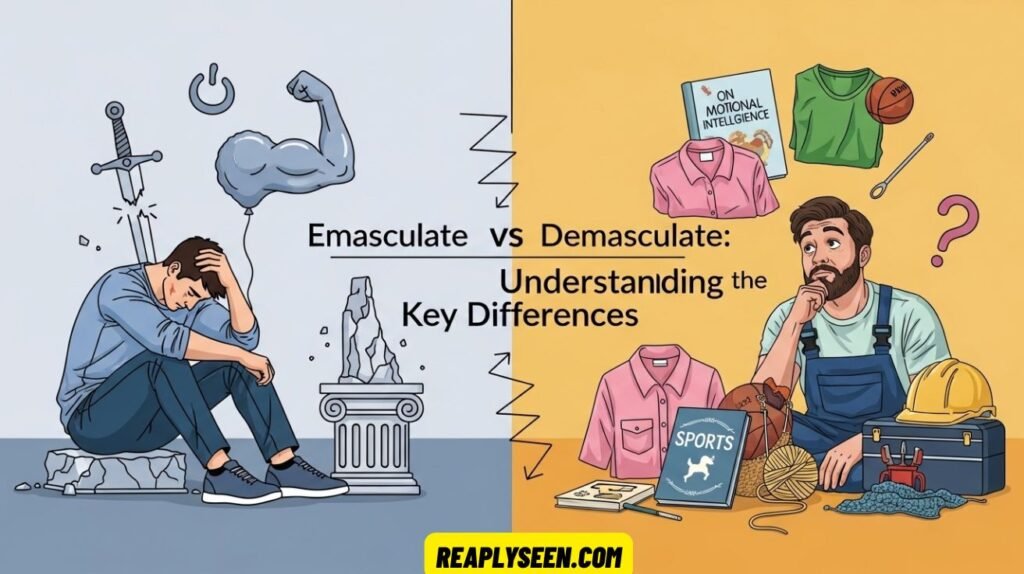
Today, emasculate is often used figuratively rather than literally. It refers to actions or words that reduce someone’s masculinity, undermine authority, or cause confidence erosion. For instance, public humiliation or harsh criticism can leave someone feeling emasculated, affecting both self-perception and social standing. The term carries strong emotional impact.
Beyond literal use, emasculation influences the social perception of men. Men who experience it may struggle with emotional suppression or feel trapped by societal expectations of male traits. Understanding the modern usage of emasculate helps writers, speakers, and readers discuss power dynamics, vulnerability, and self-worth responsibly and clearly.
The Rare Use of Demasculate
Demasculate appears occasionally in online texts or informal writing but is rarely recognized by dictionaries. It is often used interchangeably with emasculate, but this can confuse readers. The word lacks historical depth and does not fully capture the psychological effects or social consequences associated with male identity loss.
Writers should avoid demasculate in formal or professional contexts. Instead, using emasculate or neutral alternatives like “weaken authority” or “undermine confidence” ensures clarity. Misusing demasculate can unintentionally reinforce toxic masculinity or misrepresent the impact of figurative emasculation on a person’s emotions and social perception.
Figurative vs Literal Emasculation
Literally, emasculate refers to castration, the physical removal of male reproductive organs. Figuratively, it describes the loss of assertiveness and sensitivity, confidence, or male traits. Most modern usage is figurative, appearing in workplaces, relationships, or social commentary to express weakened authority or diminished masculinity.
Figurative emasculation has significant emotional impact. Experiencing it can lead to identity loss, shame, or emotional suppression. Recognizing this distinction is critical for writers and speakers who want to address issues of male identity, power dynamics, and cultural expectations responsibly, without creating misunderstanding or reinforcing harmful stereotypes.
Cultural Expectations and Masculinity
Society often defines men by strength, confidence, and authority. Emasculate taps into these cultural expectations of male traits, making its usage powerful and emotionally charged. Words can influence self-esteem, relationships, and psychological effects, highlighting the connection between language and social perception of men.
Cultural variations matter. In some societies, public perception and honor weigh heavily, so figurative emasculation can carry serious consequences. In the U.S., while individualism dominates, social and professional settings still tie masculinity to confidence and leadership, showing that emasculate is a term with both linguistic and cultural weight.
Emotional and Psychological Implications
Feeling emasculated can have profound psychological effects. Men may experience confidence erosion, emotional suppression, or reduced self-esteem when authority or male identity is challenged. These effects can influence work performance, social interactions, and personal relationships. Understanding the emotional weight of the term is essential for responsible communication.
The term also intersects with toxic masculinity. Using emasculate to shame men or restrict vulnerability reinforces harmful stereotypes and limits the ability to express assertiveness and sensitivity. Language, therefore, shapes not just perception but behavior, highlighting why choosing the right word matters in writing and speech.
See Also : Born in or Born On – Which Is Correct? (With Examples)
Alternatives and Responsible Language Use
Instead of demasculate, writers should use emasculate or neutral phrases like “undermine confidence,” “weaken authority,” or “sap strength.” These expressions convey the intended meaning without relying on non-standard English words and maintain clarity while reducing emotional impact.
Responsible language is key. Avoid using emasculate as an insult or to attack someone’s male traits. Opting for neutral or descriptive phrases allows discussion of masculinity, vulnerability vs strength, and empowerment and healing in a thoughtful and sensitive way, particularly in professional or educational contexts.
Practical Examples and Quick Reference
Correct use of emasculate might include: “The manager’s harsh critique emasculated the employee,” or “Public humiliation weakened his authority.” Incorrect use of demasculate can be replaced with clear alternatives, maintaining clarity while addressing confidence erosion.
A quick table for reference:
| Scenario | Better Expression |
| Loss of confidence | He felt undervalued, not emasculated |
| Undermining authority | The critique weakened authority |
| Literal removal | Use castrate in medical context |
| Figurative impact | “Sap confidence” or “diminish self-esteem” |
This reference shows how to use emasculate effectively, avoid demasculate, and communicate with clarity and sensitivity about male identity, masculinity, and emotional impact.
FAQs
Is the word demasculate or emasculate?
The correct and standard word is emasculate; demasculate is rare and non-standard.
What is the word for losing masculinity?
The term is emasculation, which refers to losing male identity, confidence, or authority.
What is the difference between emasculation and demasculinization?
Emasculation refers to emotional, social, or figurative loss of masculinity, while demasculinization describes a broader reduction or removal of male traits in any context.
What is demasculating?
Demasculating means causing someone to lose masculinity, confidence, or authority, though it is less commonly used than emasculating.
Conclusion
Emasculate vs Demasculate helps people use words correctly and clearly. Emasculate is the right word to describe losing male identity, confidence, or masculinity. It appears in dictionaries and works in both literal and figurative ways. Demasculate is rare and not widely accepted. Using the right word avoids confusion and makes communication stronger. Writers and speakers can explain feelings, actions, or situations without mistakes when they choose emasculate over demasculate.
Knowing the difference also helps people understand feelings and social situations. Emasculate vs Demasculate shows how words affect confidence, authority, and emotional impact. Choosing words carefully respects others and helps express ideas clearly. It also teaches about masculinity, identity, and proper language use.