Deepest Sympathy – Meaning, Usage, and Examples
Deepest Sympathy Meaning is showing care and sadness for someone who has lost a loved one. It is more than just words. It tells a person that you share their pain and feel with them.
When someone is sad, hearing deepest sympathy can bring comfort. These words can make a heavy heart feel lighter. A simple message can show love and support.
The deepest sympathy meaning helps people understand how to express sorrow. It is used in cards, messages, or conversations. It shows respect, kindness, and real care for the grieving person.
What Does “Deepest Sympathy” Really Mean?

At its core, “Deepest Sympathy” is an expression of shared sorrow. The word sympathy comes from two Greek roots: syn, meaning together, and pathos, meaning feeling or suffering. Simply put, it means “feeling with someone.” When you tell someone you have your deepest sympathy, you are not just acknowledging their loss; you are showing that you stand with them during a difficult time.
Using sympathy phrases in a thoughtful way can provide vital grief support and emotional relief. For example, a simple statement like, “Please accept my deepest sympathy for your loss” communicates both recognition of grief and willingness to support the bereaved. Unlike casual phrases, heartfelt sympathy carries sincerity and depth, helping to ease the pain of the grieving. Expressing condolence messages thoughtfully can create a meaningful connection that lasts beyond the moment of mourning.
Etymology and Origins of “Sympathy”
The word “sympathy” has deep historical roots. Its Greek origins combine syn (together) and pathos (emotion or suffering), emphasizing shared feelings. By the 16th century, English speakers adopted it to describe expressing condolences not only for grief but also for joy or happiness. Over time, the focus shifted heavily toward sorrow and hardship.
During the 19th century, particularly in the Victorian era, formalized mourning etiquette became common. People used condolence letters and funeral messages to communicate support while maintaining social propriety. Phrases like “deepest sympathy” emerged as a standard way to express respect and comfort the bereaved without overstepping boundaries. Even today, the simplicity and sincerity of the phrase make it a lasting choice in both personal and professional settings.
Related Terms and Nuances
Understanding deepest sympathy is easier when compared with related words. Sympathy involves acknowledging suffering, while empathy means sharing and understanding someone’s emotions personally. Compassion goes a step further by inspiring action, like offering help, while pity can feel distant or even condescending.
| Term | Meaning | Difference from Sympathy | Example Use |
| Sympathy | Feeling for someone’s hardship | Recognizes suffering without sharing | “I feel sympathy for her loss.” |
| Empathy | Feeling with someone | Personal emotional connection | “I empathize with your grief.” |
| Compassion | Desire to help relieve suffering | Acts beyond words | “His compassion led him to support the family financially.” |
| Pity | Sorrow mixed with condescension | Can distance or offend | “She pitied him for being alone.” |
By understanding these nuances, you can choose words that convey sincere condolences and avoid expressions that might unintentionally hurt the grieving family.
When and How to Express “Deepest Sympathy”
The phrase “deepest sympathy” can be used in personal, professional, and written contexts. Knowing when and how to use it ensures your message is respectful, supportive, and effective in providing emotional support in grief.
In Personal Conversations
When speaking to friends or family, your tone and sincerity matter more than the exact words. Saying, “Please accept my deepest sympathy. I’m here if you need anything” offers both acknowledgment and support. You can also provide practical help, such as running errands or simply being present, which are important acts of compassion. Sharing your presence or a comforting gesture shows the bereaved that they are not alone, and that you genuinely care.
In Professional Settings
In workplaces or professional relationships, deepest sympathy can be expressed in emails or public statements. For example, “On behalf of our team, we extend our deepest sympathy to you and your family” is a formal yet compassionate way to show respectful condolences. In client communication, expressing condolence messages can strengthen relationships and demonstrate empathy. Even brief written statements can convey sincerity while maintaining a professional tone.
In Writing
Writing sympathy cards or condolence letters requires careful word choice and sensitivity. Short, heartfelt messages often have the most impact, such as “With deepest sympathy, may you find comfort in the love that surrounds you.” Obituaries and memorials also use deepest sympathy to communicate shared sorrow publicly. In all forms of written communication, maintaining a respectful and genuine tone is key to providing words of comfort and grief support.
Cultural Considerations
In the United States, verbal or written sympathy expressions such as funeral messages or sending condolences are common. In other cultures, traditions may include rituals, offerings, or specific mourning practices. For example, in some Eastern traditions, carefully chosen words are critical to avoid causing additional sorrow. Understanding cultural norms and matching the tone of your sympathy phrases ensures your support is both respectful and meaningful.
Examples of Using “Deepest Sympathy” in Sentences
Formal Examples
Formal uses of deepest sympathy often appear in corporate emails, official letters, or public statements. Examples include:
“We extend our deepest sympathy to the victims’ families during this difficult time.”
“With deepest sympathy, we remember his dedication to our community.”
These statements convey compassion while maintaining formality, offering respectful condolences to those affected.
Personal Examples
In personal messages, deepest sympathy can be warm and intimate. Examples include:
“My deepest sympathy for your loss. Your father was a remarkable man.”
“Please accept my deepest sympathy. I’ll always be here to listen.”
These expressions communicate heartfelt support and allow the bereaved to feel understood and valued, providing both emotional and practical grief support
Alternative Phrasings
Other ways to express sympathy include phrases like “With heartfelt condolences”, “My sincere sympathy”, “Thinking of you during this difficult time”, and “Sending love and prayers”. Using varied expressions ensures that your condolence messages feel personal and genuine, rather than formulaic.
See Also : Goodmorning or Good Morning: Which Is Correct?
Common Phrases That Include “Sympathy”
People often combine deepest sympathy with other supportive expressions. Examples include:
“Please accept my deepest sympathy and prayers”
“Extending deepest sympathy and heartfelt condolences”
“Our deepest sympathy goes out to you and your family”
These combinations are particularly common in sympathy cards, condolence letters, and public statements, reinforcing the message of care and support.
Expressions Beyond Words: Showing Sympathy in Action

While words are important, actions often communicate compassionate gestures more powerfully. Helping the bereaved through practical support can enhance your emotional support in grief.
Acts of Kindness
Acts such as preparing meals, running errands, or donating in memory of the deceased provide tangible assistance. Offering help in mourning demonstrates that your concern extends beyond words, and these actions often leave a lasting impression on the grieving family.
Nonverbal Expressions
Nonverbal gestures, like a gentle hug, holding someone’s hand, or simply being present at a funeral, convey empathy and solidarity. Even a silent presence or compassionate nod communicates comforting the bereaved without saying a word.
Digital Age Condolences
With social media and virtual communication, sending digital condolences has become common. Posting respectful messages, sending e-cards, or attending virtual memorial services allows people to connect even when physically apart. During the COVID-19 pandemic, many families relied on online condolences as a vital source of support, showing that sympathy expressions can adapt to modern times without losing sincerity.
Why Saying “Deepest Sympathy” Matters
Grief can be isolating, and hearing words of comfort can provide immense relief. Expressing deepest sympathy helps individuals feel seen, heard, and supported during difficult times. Beyond emotional support, such messages strengthen social bonds, reinforce community ties, and provide a psychological boost that aids healing. As one bereavement counselor said:
“The words you speak won’t erase grief, but they remind the grieving heart that it doesn’t have to suffer in silence.”
Acknowledging someone’s pain through sympathy phrases is not just polite—it can play a crucial role in coping with sorrow.
Common Mistakes to Avoid
Even well-meaning messages can sometimes fail to comfort. Overused clichés, such as “They’re in a better place”, can feel hollow. Making the message about yourself, using pity instead of respect, or providing too much graphic detail can unintentionally increase distress. A better approach is to keep your message sincere, brief, and focused on comforting the bereaved and offering grief support.
Understanding the True Meaning of Deepest Sympathy
Saying deepest sympathy is more than a polite gesture; it communicates genuine care and empathy. When someone experiences the loss of a loved one, hearing this phrase alongside thoughtful condolence messages reassures them they are not alone. Using words that carry heartfelt meaning helps build emotional support and shows that you share in their sorrow.
True heartfelt sympathy goes beyond surface-level politeness. It recognizes the depth of grief and provides comfort. By offering sympathy phrases with sincerity, you help the bereaved cope with sorrow. Even small gestures, like sending a sympathy card or providing practical help, can have a lasting impact and strengthen your connection with the grieving family.
The Origins of Sympathy and Its Historical Context
The word sympathy comes from Greek roots: syn meaning together and pathos meaning feeling. It entered English in the 16th century, initially describing shared joy and sorrow. Over time, sympathy phrases became closely associated with grief, particularly in funeral messages and condolence letters, reflecting society’s growing attention to emotional support in times of loss.
During the Victorian era, formalized mourning etiquette became standard, and phrases like deepest sympathy emerged. These phrases allowed people to express grief respectfully while maintaining social norms. Today, historical awareness of bereavement messages and sympathy expressions helps us communicate more effectively, combining sincerity with tradition in both personal and professional settings.
Expressing Deepest Sympathy in Personal Conversations
In personal settings, sharing deepest sympathy requires sincerity and attentiveness. Speaking to friends or family members experiencing grief can be challenging, but thoughtful words and condolence messages provide reassurance. Simple statements like, “I offer my deepest sympathy,” combined with active listening, can help comfort the bereaved and provide emotional relief during difficult times.
Beyond words, actions enhance your support. Offering assistance, running errands, or being present shows compassionate gestures and care. Using sympathy phrases in person allows you to tailor your message to the situation, helping the grieving family feel seen, supported, and valued. Personal conversations create a direct connection that written messages sometimes cannot fully convey.
See Also : Time Flies or Time Flys: Common Mistakes For 2026
Professional Ways to Offer Deepest Sympathy
Expressing deepest sympathy in a professional context requires sensitivity. Whether addressing colleagues, clients, or employees, words must convey both respect and empathy. Formal condolence letters or workplace emails help provide emotional support in grief without overstepping boundaries, showing that the organization acknowledges the loss and cares about the individual’s well-being.
Proper professional etiquette includes keeping messages concise yet sincere. Phrases such as “On behalf of our team, we extend our deepest sympathy” demonstrate respectful condolences. Combining thoughtful words with supportive actions, like offering flexible work schedules or assistance, enhances your message. Even professional sympathy can create lasting positive impressions and strengthen workplace relationships.
Writing Sympathy Cards and Letters Effectively
Written condolence messages provide a lasting record of care and support. Sympathy cards and letters allow you to carefully choose words that communicate heartfelt sympathy and empathy in loss. Including personal anecdotes or memories can make the message more meaningful, helping the recipient feel recognized and understood during their grief.
Short and thoughtful expressions often work best. Messages like “Please accept my deepest sympathy for your loss” convey care without overwhelming the reader. Adding sympathy expressions or offering practical support demonstrates sincerity. Written condolences, whether formal or personal, remain an enduring form of comfort for the grieving family, creating a tangible source of solace.
Cultural Considerations in Expressing Sympathy
Different cultures have varying traditions for expressing grief. In the United States, sending sympathy cards, attending funerals, or providing funeral messages are common ways to show support. Understanding mourning etiquette and respecting the grieving family’s preferences ensures that your condolence messages are appropriate and appreciated.
Other cultures may include rituals or specific expressions of respect. Being aware of these differences helps prevent misunderstandings and demonstrates genuine compassionate gestures. Tailoring sympathy phrases to match cultural norms shows thoughtfulness and reinforces emotional support, allowing your message of deepest sympathy to resonate meaningfully with the bereaved.
Actions That Show Sympathy Beyond Words
While words are important, actions often convey heartfelt sympathy more powerfully. Offering meals, assisting with errands, or supporting memorial arrangements are practical ways to provide emotional support in grief. Such actions demonstrate genuine care and complement verbal or written condolence messages, making the grieving family feel supported during difficult times.
Nonverbal gestures, like a gentle hug or silent presence, also communicate empathy and solidarity. In the digital age, digital condolences and online memorials have become effective ways to reach those unable to gather physically. Combining words with compassionate gestures ensures your support is holistic, thoughtful, and impactful.
Common Mistakes to Avoid When Offering Sympathy
Even well-intentioned sympathy expressions can sometimes hurt if not carefully phrased. Overused clichés, like “They’re in a better place,” can feel empty. Making messages about yourself or using pity instead of genuine care can create distance from the grieving family, reducing the effectiveness of your condolence messages.
Providing too much graphic detail or rushing the message may overwhelm the recipient. A better approach is keeping your sympathy phrases sincere, concise, and focused on comforting the bereaved. By avoiding these mistakes, your deepest sympathy will offer authentic emotional support and reassurance, helping those in grief feel seen and understood.
FAQs
How do you say “with deepest sympathy”?
You can say, “Please accept my deepest sympathy for your loss” or “With deepest sympathy, I am thinking of you.”
What is the best condolence message?
The best message is simple and sincere, such as “I am so sorry for your loss. My thoughts are with you and your family.”
What to say instead of deepest sympathy?
You can say, “With heartfelt condolences,” “Thinking of you in this difficult time,” or “My sincere sympathy.”
What does “with deepest sympathy” mean?
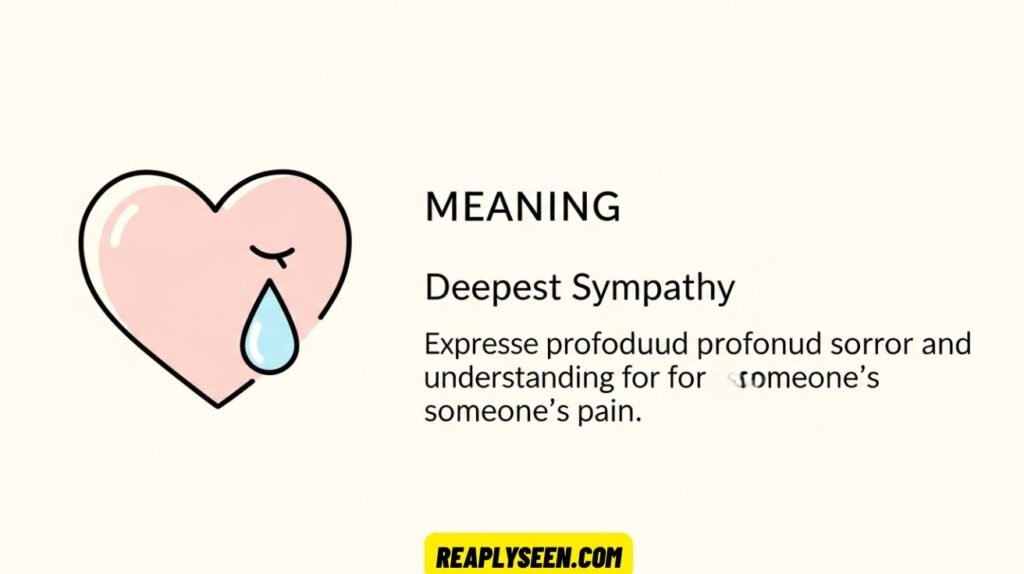
It means expressing profound sorrow and empathy, showing you share in someone’s grief and offer support.
Conclusion
Deepest Sympathy Meaning shows that you care about someone who is sad. When a person loses a loved one, saying these words gives comfort and shows you share their feelings. It is more than just words; it helps the grieving person feel supported and not alone. Using simple and kind phrases or writing a sympathy card can make a big difference. Showing heartfelt sympathy helps people feel understood and loved during hard times.
Offering deepest sympathy also teaches respect and care in life. It is important to be sincere and gentle when you speak or write to someone who is grieving. Small actions, like visiting, sending condolence messages, or helping with daily tasks, give real support. Understanding the deepest sympathy meaning helps you comfort the bereaved with kindness and care.